Santa Christmas PNG Embroidery Review
As a designer who spends half the year prepping for the holiday rush and the other half reviewing files for quality, I approach every new asset with a mix of excitement and skepticism. The market is flooded with generic clip art, so finding a Santa Christmas PNG that actually translates well into physical thread work is rare. Today, I’m putting this specific design through its paces to see if it belongs in your commercial workflow or just your personal scrapbook.
The First Impression: Mood and Visual Personality
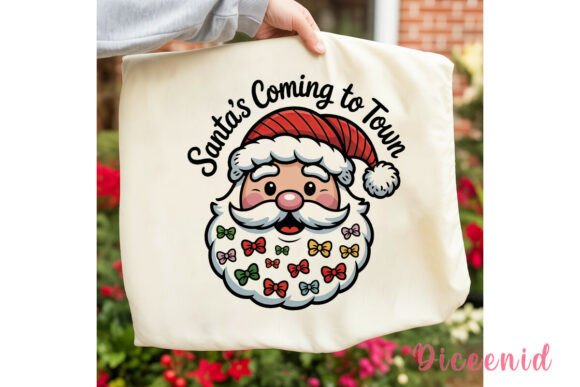
When you first load the file into your digitizing software, the immediate takeaway is warmth. Unlike the stark, high-contrast vectors that often look harsh when stitched, this illustration carries a softer, more traditional vibe. It feels like a classic storybook character rather than a modern, minimalist icon. This mood is crucial because embroidery is inherently tactile; it relies on texture and softness to convey emotion. A design that looks too sharp or angular can sometimes feel aggressive when rendered in thread, but this one has enough rounded edges and gentle curves to sit comfortably on fabric.
The layout is balanced, which is a huge plus for embroiderers. There is no awkward negative space that requires excessive trimming, nor are there tiny, isolated elements that might get lost in the stitching process. The visual personality suggests a design meant for connection—perfect for gifts, family traditions, and cozy home decor. It doesn’t scream for attention; it invites it. That subtle confidence is exactly what makes a handmade product feel premium rather than mass-produced.
Real-World Application: From Screen to Stitch
I recently tested this concept on a custom order for a client who wanted a festive touch on a heavy-duty canvas tote bag. The challenge with tote bags is that the fabric is thick and often uneven, meaning stitch definition can suffer if the design isn’t robust. I also considered how this would look on a sweatshirt embroidery project, specifically a crewneck pullover for a holiday party.
In both scenarios, the design held up remarkably well. The main shapes were distinct enough to be recognized instantly, even from a distance. For the tote bag, I placed the design centrally on the front panel. The contrast between the dark canvas and the lighter thread colors (which I selected based on the original PNG’s palette) created a striking focal point. Customers at craft fairs often stop for designs that evoke nostalgia, and this Santa figure hits that note perfectly. It feels like a personalized gift that someone would proudly carry or wear.
However, the true test for any machine embroidery design is versatility. Could this work for a baby item? Absolutely. The softer lines make it suitable for a onesie or a nursery wall hanging. It lacks the jagged edges that might look chaotic on delicate baby fabrics. For an Etsy seller, this means one digital asset can potentially drive sales across multiple categories: apparel, home decor, and baby goods. That efficiency is gold for a small business owner trying to maximize their inventory without designing from scratch every season.
Where Caution Is Required
No design is perfect, and knowing where a Santa Christmas PNG struggles is just as important as knowing where it shines. Here are the areas where you need to exercise professional judgment:
- Small Hoop Sizes: If you are working with a 4x4 inch hoop or smaller, you must be careful. While the overall shape is clear, any intricate details in the beard or hat trim might become muddy if the file isn’t digitized with a reduced scale. Always check the stitch density before committing to a small garment like a cap brim or a sock.
- Textured and Stretchy Fabrics: Embroidering on ribbed knitwear or highly textured wool can distort the fine lines of the illustration. The fabric’s natural grain may compete with the satin stitch edges, causing them to look wavy or uneven. For these materials, a stabilizer is non-negotiable, and you might want to simplify the design slightly.
- Dark Fabric Challenges: If you plan to stitch this on black or navy fabric, you will need to ensure your thread colors have enough contrast. Light threads can disappear into dark weaves, especially if the fabric is fuzzy. Test your color choices on a scrap piece of the actual garment fabric first.
- Dense Stitch Areas: Avoid placing this design over seams, pockets, or buttons. The added bulk from the embroidery combined with existing garment construction can create uncomfortable lumps, particularly on custom apparel like hoodies or jackets.
Design Notes for the Professional Embroiderer
To get the best results from this digital embroidery file, follow these practical steps. First, always run a test stitch on scrap fabric that matches the weight and stretch of your final project. This reveals issues with tension, puckering, or thread breakage before you ruin a customer’s garment.
Second, inspect the small details. Zoom in on the digitized version. Are the eyes distinct? Is the hat tip sharp? If the design uses a lot of running stitch for fine lines, ensure those lines are long enough to hold together but short enough to prevent tangling. If the design relies heavily on fill stitch, check that the underlay stitches are sufficient to stabilize the fabric.
Third, consider the background. I recommend testing the design in black and white mockups. This strips away the distraction of color and forces you to evaluate the shape and balance of the artwork. If the silhouette reads clearly in grayscale, it will likely read clearly in color on any fabric. Also, compare how the design looks against light versus dark backgrounds. Sometimes a color combination that looks great on a white shirt fails miserably on a beige apron.
Finally, never overlook the importance of proper stabilizer selection. For a design like this, which likely has moderate density, a cut-away stabilizer is usually safest for garments that will be washed frequently. A tear-away might suffice for一次性 items like tea towels, but for anything meant to last, stability is key to maintaining the finished product’s integrity.
Final Verdict on Value and Appeal
Does this Santa Christmas PNG earn a spot in your library? Yes, but with strategic intent. It is not a universal solution for every embroidery project, but it is an excellent choice for holiday-themed collections. It adds a layer of professionalism and charm that buyers recognize and appreciate. When used correctly, it elevates a simple embroidered patch or tote bag design into a boutique-quality item.
For craft business owners, this design offers high perceived value with relatively low complexity. It doesn’t require hours of digitizing time to refine, allowing you to focus on marketing and customer service. However, remember that licensing terms vary. Before you start selling commercial embroidery products, double-check the usage rights. Some illustrations allow unlimited commercial use, while others restrict the number of finished items you can sell.
In conclusion, this design is a solid, reliable asset for the holiday season. It balances aesthetic appeal with technical feasibility, making it a smart investment for designers who want to produce consistent, high-quality work. Just remember to respect the fabric, test your stitches, and always prioritize the end-user’s experience. When done right, the result is more than just thread on cloth—it’s a tangible piece of holiday joy.